

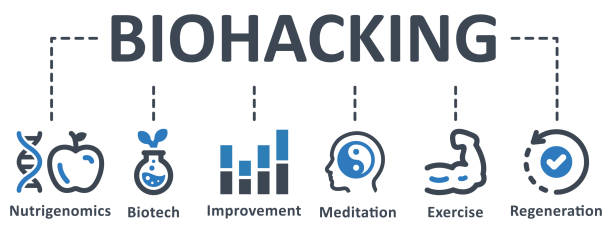
With so much interest in living longer and healthier lives, we are always seeking to find the latest treatments out there to help in this endeavor. Here are three we have used, researched and enjoyed – yes, even the cold – as part of our long term health and recovery strategy.
Photobiomodulation: More commonly known as red light therapy, this promotes cellular repair, increases circulation, and decreases pain and inflammation. It can also help to increase collagen production, enhance sleep and improve recovery from physical activity. Recent studies are also showing positive benefits for Alzheimer’s patients and cognitive health with near-infrared light. This is a safe treatment as it gives us all of the benefits of the sun, without the harmful UV rays.
How does it work? Different frequencies of light penetrate at different depths and create effects on the body based on how they interact with cells, hormones and the nervous system. Red, green and blue light all work superficially, while the higher frequencies of near-infrared light (which are not visible), penetrate deeper. The combination of red and near-infrared light offers a wide range of benefits to enhance overall cellular energy, increase circulation and collagen production, as well as improve cognitive function. Green light can help to reduce the appearance of dark spots, and have a positive impact on migraines and light sensitivity, while blue light helps to decrease bacteria and helps with acne and skin appearance. Please read our blog for more information on this widely researched therapy.
Cryotherapy: or full body cold exposure, is a brief, invigorating experience that helps decrease inflammation, improve circulation, accelerate muscle recovery and improve mood and mental clarity. Here are the physiologic changes that happen in the body when exposed to extreme cold:
- Vasoconstriction / Vasodilation Cycle
- Extreme cold causes rapid vasoconstriction, pulling blood away from the skin and extremities to protect vital organs.
- Once the session ends, vasodilation occurs, sending freshly oxygenated, nutrient-rich blood back to muscles and joints.
- This “flush” helps reduce inflammatory byproducts and supports tissue recovery.
- Nervous System Reset
- Cold exposure strongly stimulates the sympathetic nervous system, followed by a rebound parasympathetic response post-session.
- This can improve stress resilience, sleep quality, and overall nervous system regulation.
- Hormonal and Neurochemical Response
- Cryotherapy increases norepinephrine (linked to focus, alertness, and mood).
- It can also elevate endorphins and dopamine, contributing to pain reduction and improved emotional well-being.
- Inflammatory Modulation
- Acute cold reduces pro-inflammatory cytokines while supporting anti-inflammatory pathways—particularly beneficial for high-intensity training, chronic pain, and joint stress.
Sauna: We are experts at enjoying our sauna 🙂It is hands down one of the best things you can do for your health (besides exercise of course!).
What does it do? Sauna promotes deep relaxation, detoxification through sweat, improved circulation, and cardiovascular support. It also has been shown to improve cognitive function and immunity, promote growth hormone release (especially after exercise), decrease inflammation and lower fasting blood glucose levels. Regular sauna use is strongly associated with longevity, stress reduction, and overall metabolic health. Studies show that 4-7 sessions per week lower all-cause mortality by 40%!!
The added benefit of a salt wall enhances respiratory support through the release of trace minerals into the air. It also creates a calming ambiance to help support parasympathetic responses to allow for even more relaxation and reduced stress. Click here for more on the science and benefits of sauna, including several references and studies.
Exercise is still our number one go-to for long term health and wellness, but adding a few other modalities to help us look better, feel better and function better overall is a no-brainer in our book.
Additional Resources:
NASA Research Illuminates Medical Uses of Light
Red light therapy: What the science says

Leave A Comment