


The Science Behind Sunlight, Red Light, and Cellular Energy
We know that sunlight plays an important role in our health. It helps regulate our sleep-wake cycles, supports vitamin D production, and influences our mood. But emerging research suggests that certain wavelengths of light may also affect something happening deep within our cells: the function of our mitochondria.
Understanding the science behind health and recovery empowers us to make better decisions about how we care for our bodies. One fascinating area of research is the relationship between light, cellular energy, and healthy aging.
Mitochondria: The Energy Producers in Our Cells
The primary role of mitochondria are to produce adenosine triphosphate (ATP), the molecule our bodies use to power nearly every biological process. From muscle contraction and tissue repair to brain function and cellular maintenance, ATP is essential. The sheer power of our mitochondria is remarkable! A single heart muscle cell can contain approximately 6,000 mitochondria, while neurons in the brain can contain thousands or even more, depending on their size and structure. These tiny energy producers are essential for everything from keeping our hearts beating to powering our thoughts, movement, and recovery. As we age, mitochondrial function becomes less efficient. This can contribute to changes in energy metabolism, physical performance, and our ability to recover from physiological stress. Supporting mitochondrial health is therefore an important part of longevity and healthy aging.
How Does Light Affect Our Mitochondria?
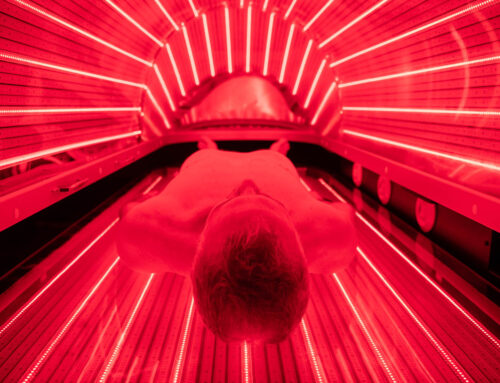
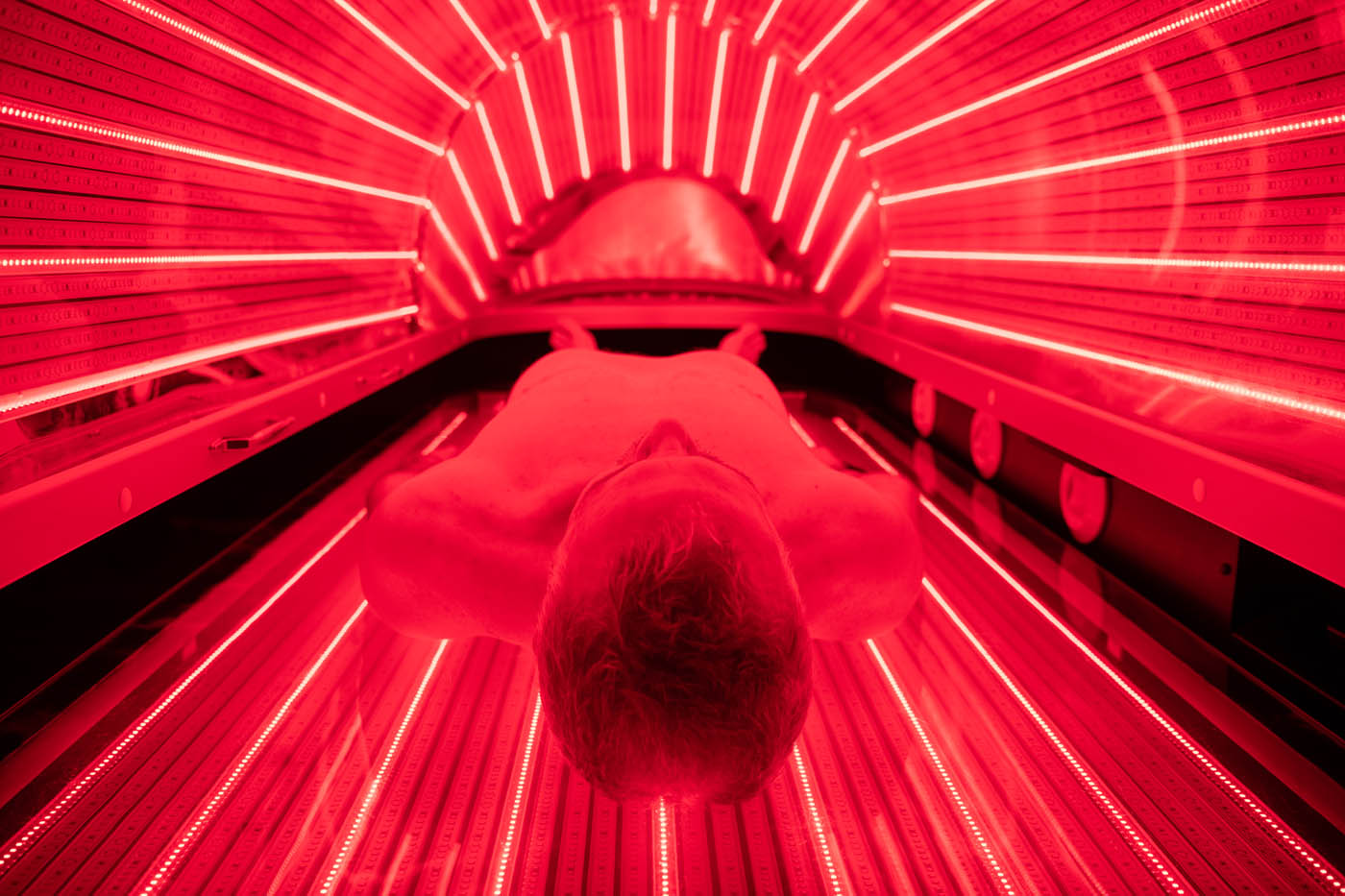
Sunlight contains a broad spectrum of wavelengths, including visible red light and invisible near-infrared light. Unlike ultraviolet light, which can damage skin cells with excessive exposure, red and near-infrared wavelengths are being studied for their potential to influence cellular activity. This process is known as photobiomodulation (PBM). Photobiomodulation uses specific wavelengths of light, typically red and near-infrared, to stimulate biological responses within tissues. Research suggests that under certain conditions, exposure to these wavelengths may influence mitochondrial respiration, cellular signaling, and ATP production.
Light Therapy: A History Rooted in Medicine
The therapeutic use of light is far from a new discovery. In the late 1800s and early 1900s, physicians began using sunlight and specialized light treatments to help patients suffering from serious illnesses, including tuberculosis. In fact, Danish physician Niels Ryberg Finsen received the 1903 Nobel Prize in Medicine for pioneering light therapy to treat tuberculosis of the skin. During the 1918 influenza pandemic, some hospitals also used open-air treatments that combined sunlight, fresh air, and improved hygiene to care for patients. Although these early approaches differed significantly from today’s red and near-infrared light therapy, they helped establish the scientific foundation for studying how light interacts with human biology. More than a century later, researchers are exploring these interactions at the cellular level, including how specific wavelengths may influence mitochondrial function, energy production, and recovery.
What Does the Research Tell Us?
Recent studies are helping us to better understand how light influences mitochondrial function and overall metabolism.
1. Natural Sunlight and Cellular Function (2025)
A study published in Scientific Reports examined how near-infrared wavelengths found in sunlight penetrate the human body. Researchers found that these wavelengths could pass through the torso, including through clothing. In a controlled experiment, exposure to near-infrared light was associated with improved visual function, even when the eyes themselves were shielded from direct exposure. The researchers suggested that systemic effects involving mitochondrial function could help explain the results. Although mitochondrial ATP production was not directly measured, the study raises an interesting possibility: some benefits of sunlight may extend beyond the skin and our circadian rhythms.
2. Red Light and Energy Metabolism (2024)
A study published in the Journal of Biophotonics investigated the effects of red light exposure on blood glucose regulation. Healthy participants received 15 minutes of 670-nanometer red light before a glucose tolerance test. Researchers observed a 27.7% reduction in the total rise in blood glucose over two hours compared with the control condition. One proposed explanation is that red light influences mitochondrial activity and cellular energy utilization, potentially changing how the body processes glucose. While this was a small study and larger trials are needed, it offers an intriguing example of how light exposure may affect metabolic processes beyond the area being treated.
Sunlight vs. Red Light Therapy: What’s the Difference?
Natural sunlight provides a broad spectrum of light, including visible, infrared, and ultraviolet wavelengths. Exposure to natural daylight is particularly important for regulating circadian rhythms, which influence sleep, hormones, and many aspects of metabolic health. Red light therapy, on the other hand, delivers selected wavelengths of red and near-infrared light in a controlled setting, without the ultraviolet radiation present in sunlight. Both natural daylight and photobiomodulation play roles in supporting health, but they are not interchangeable. Their biological effects depend on the type of light, dose, and how the body responds.
Understanding Light’s Role in Health: Insights from Andrew Huberman
Neuroscientist Dr. Andrew Huberman explores the powerful relationship between light and human physiology in his 2026 book, Protocols: An Operating Manual for the Human Body. Huberman emphasizes that light is more than a source of illumination; it is an important biological signal that influences how our bodies function. Natural sunlight, particularly in the morning, helps regulate our circadian rhythms, supporting healthy sleep, alertness, and overall physiological function. He also explores the emerging science of red and near-infrared light, including research into their effects on mitochondria, cellular energy metabolism, and healthy aging. Together, these areas of research highlight an important distinction: natural sunlight helps regulate our body’s daily biological rhythms, while targeted photobiomodulation may offer additional cellular effects that scientists are continuing to investigate.
What Does This Mean for Recovery and Healthy Aging?
Our muscles, nervous system, and other tissues rely on healthy mitochondrial function to meet their energy demands. That makes mitochondria an important focus in the science of exercise, recovery, and longevity. Researchers are investigating whether photobiomodulation can help support:
- Cellular energy metabolism: Influencing the processes involved in ATP production.
- Exercise recovery: Potentially affecting muscle fatigue, soreness, and recovery responses.
- Cellular signaling: Modulating pathways involved in inflammation and tissue adaptation.
- Healthy aging: Exploring whether light-based interventions can influence age-related changes in cellular function.
The AXIS Approach: Understanding the Science Behind Recovery
At AXIS, our philosophy has always been based on continuing education and the latest research. Exercise, adequate sleep, proper nutrition, and consistent recovery habits are fundamental to maintaining health and physical function as we age. Emerging technologies, including red light and near-infrared photobiomodulation, offer additional opportunities to explore how we can support the body’s natural physiological processes. Our Restoration & Recovery services include red light therapy as part of a comprehensive approach to wellness, complementing the individualized personal training and recovery strategies we have emphasized for over 30 years.
The bottom line: Light is an important environmental signal that interacts with our biology in complex ways. As researchers continue to investigate its effects on mitochondria, we are gaining a deeper understanding of how specific wavelengths may influence cellular energy, metabolism, and recovery. We are excited to continue following this evolving science.
References
- Longer wavelengths in sunlight pass through the human body and have a systemic impact which improves vision. Scientific Reports, 2025.
https://pmc.ncbi.nlm.nih.gov/articles/PMC12238558/ - Powner, M. B., & Jeffery, G. Light stimulation of mitochondria reduces blood glucose levels. Journal of Biophotonics, 2024.
https://pubmed.ncbi.nlm.nih.gov/38378043/ - Nobel Prize — Niels Ryberg Finsen, 1903
- The Open-Air Treatment of Pandemic Influenza — American Journal of Public Health
- Huberman, A. D. (2026). Protocols: An Operating Manual for the Human Body.
This article is intended for educational purposes. Photobiomodulation research is evolving, and results from individual studies should not be interpreted as proof that red light therapy prevents disease or reverses aging.

Leave A Comment