The Pop That Changed Everything
During spring ball at the University of Utah, I was going in for a tackle near the sidelines when I heard a loud pop in my knee. Full reconstruction came next. Looking back, it was one of the greatest gifts ever given to me. AXIS probably would not exist if that pop had never happened.
The following year involved serious physical and mental rehabilitation. I kept asking myself: What do I do now? Football was all I knew. Then somehow, lady luck found me. Head Coach, Jim Fassel, brought me into his office and asked me a simple question: did I want to continue playing, or did I want to become a strength coach?
The light bulb went on. I was going to become a world-class strength coach. For the next two years, I learned under Coach Kelby, followed by a year working under our new head Olympic strength coach, San Varner. I worked with athletes from every sport and alongside athletic trainers, physical therapists, doctors and other strength coaches. That experience changed the direction of my life.
Finding the Missing 20%
I was also a pain in the ass. I questioned everything. And the more questions I asked, the more I realized there was a gap in the system. An athlete would get injured, go through surgery and rehabilitation, and eventually return to the weight room. But something was missing in between.
Physical therapy might get someone to roughly 65% functional, while the traditional strength environment was really designed to take someone from about 85% forward. What happened to the 20% in between?
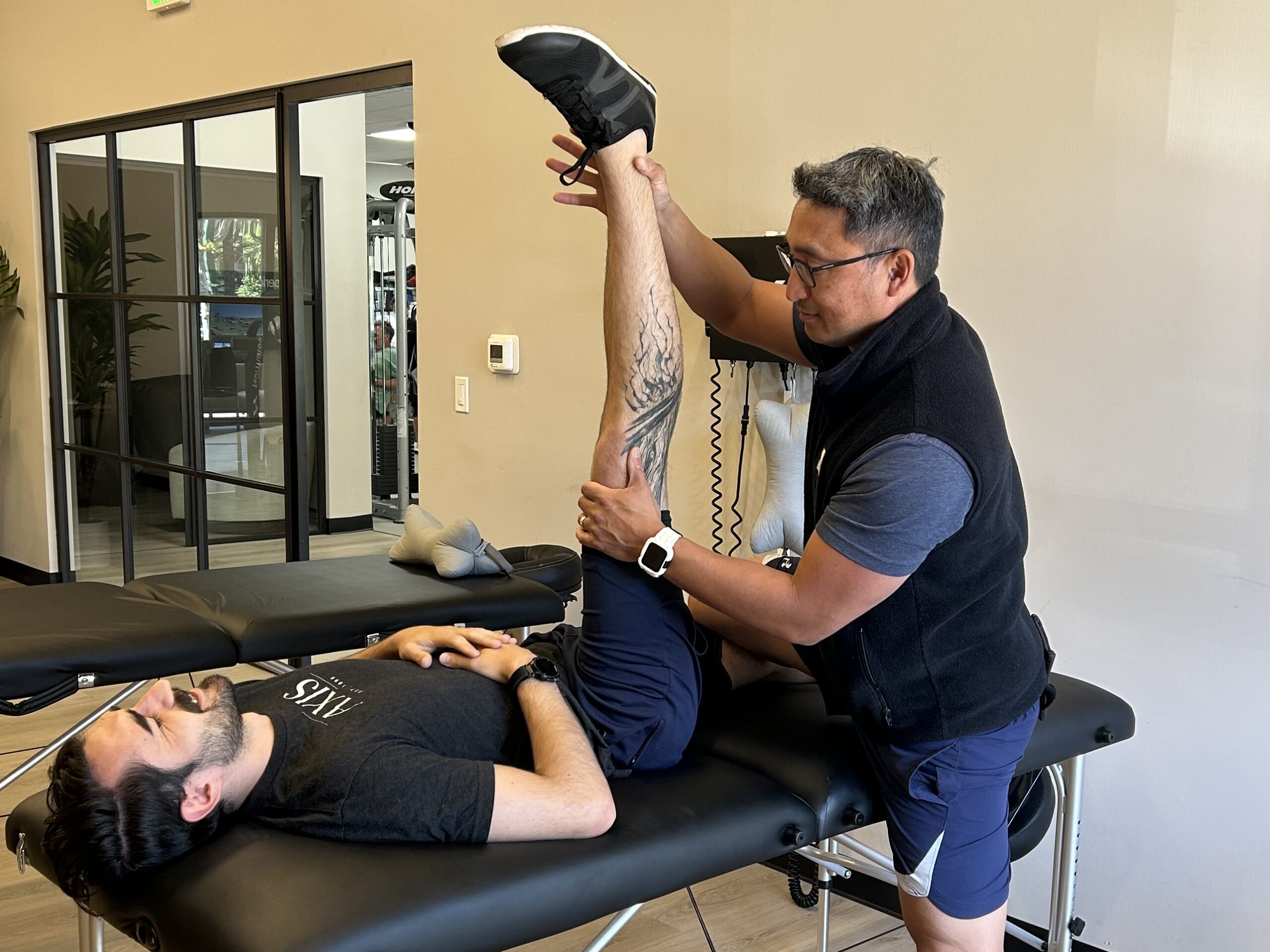
That became my opportunity. When I graduated, I wanted to help fill that gap – bridging rehabilitation and high-level performance so people could move better, become stronger and hopefully reduce the likelihood of future injuries.
That was the real beginning of AXIS.
60–70 Hours a Week
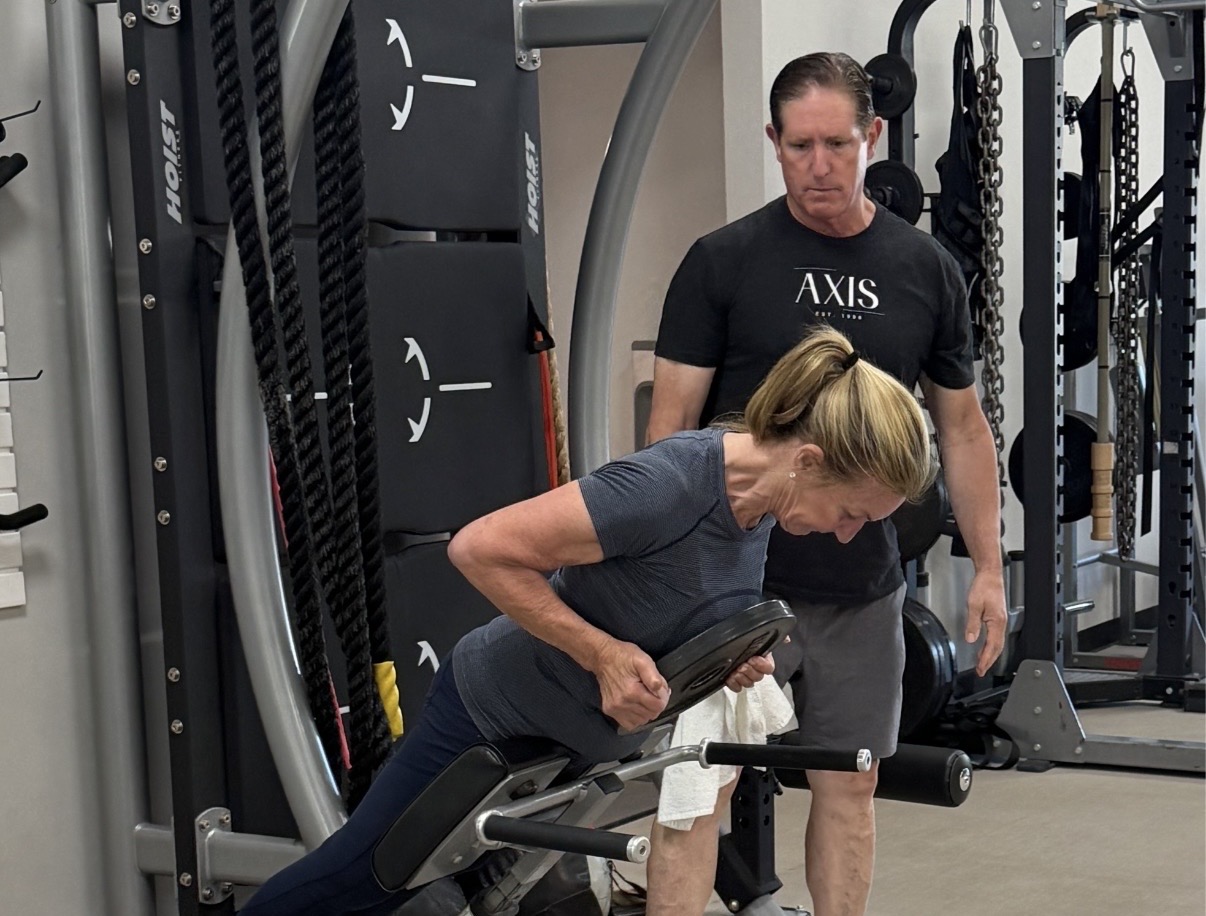
From 1992 through 1996, I trained clients 60 to 70 hours per week. At the same time, I spent thousands of dollars traveling around the country learning from world-class educators. I wanted to understand everything I could about training, rehabilitation, performance and the human body. Very few people were doing what I was doing at the time, and that created an opportunity.
One of my longtime clients, Louis Borders, believed in what I was building and provided the angel funding that allowed me to open AXIS. The goal from the beginning was bigger than simply opening a gym. I wanted to create a place where personal trainers could build real careers. Almost every expert told me it couldn’t be done. My reaction was essentially: Watch us.
October 6, 1996
On October 6, 1996, AXIS opened its doors in Menlo Park, CA. I started AXIS, but we built AXIS. Our business partners, trainers, clients, investors, mentors and team members all played a role in making this company what it is today. The good, the bad and the ugly are all part of the story. And strangely enough, that is part of what makes AXIS beautiful.
On Top of the World
Within the first year, we were doing thousands of training sessions. We were kicking ass. It felt like we were on top of the world.
We raised money through Sequoia Capital. We hired a CEO from LVMH. We hired additional trainers and began preparing for a national rollout. It felt like we couldn’t lose.
Then 2001 happened. The dot-com bubble burst, and everything changed. It became one of the greatest lessons of my life: you always have to prepare for a business winter.
What followed were roughly seven very difficult years. We were trying to figure out who we were. There were leadership challenges, financial pressures and plenty of people who understood spreadsheets but didn’t necessarily understand how to operate the ultimate service business, a business built around people.
The Person Who Understood AXIS
During that period, a shooting star named Allison Allen (Alli) came into the picture. She understood the soul of AXIS.
At the time, she was a team leader at our Mountain View location. I didn’t know her particularly well, and I wasn’t sure whether she was the right person to manage our Menlo Park facility. Menlo Park was the soul of the company. There was also plenty of internal tension and jealousy around its success.
Alli believed in what AXIS could be. And she delivered. Despite plenty of people expecting – and at times perhaps even hoping – that we would fail, Menlo Park thrived. So did our partnership. Today, Alli is an owner and COO of AXIS.
Another Crisis. Another Gift.
Then came the 2008–2009 financial crisis. Once again, the business world around us was falling apart. Out of that crisis came another unexpected gift. At one point, we owned only about 1% of AXIS. During this period, we had the opportunity to buy the company back from our investors.
It gave us the chance to return AXIS to what it was always meant to be: a company built around great training, great trainers and great relationships. And something interesting happened. We thrived.
Why? Because we focused relentlessly on our trainers and our clients. Alli and I believed in the AXIS philosophy, our trainers and our future. That is still the magic today: love your team, love your community.
Rebuilding AXIS
After buying the company back, we became obsessed with building the strongest training community we could. Our trainers grew. Our clients grew. And education, once again, became one of the cornerstones of AXIS.
We traveled to conferences across the country. We attended business programs, medical conferences, performance conferences and science-based longevity events. We kept asking the same question: What is coming next, and how can we bring the best of it back to our community? That question eventually led us beyond training.
Training Was Only Part of the Answer
Over the past decade, we attended the annual A4M longevity conference as well as other biohacking and health conferences. We learned from physicians, researchers and experts from institutions including Harvard, Stanford and Johns Hopkins.
One concept appeared again and again: Healthspan. Not simply how long you live, but how well you live. We realized that although AXIS had exceptional training, training alone was only part of the equation. Recovery and restoration mattered too.
We traveled around the country visiting longevity and wellness centers such as Next Health, Ways2Well and others. We spent years experiencing red light therapy, cryotherapy, sauna, PEMF, IV therapy and other emerging technologies, firsthand. It became clear to us that the future would combine intelligent training with intelligent recovery. We knew eventually AXIS would become a place where both existed under one roof. But the timing wasn’t right yet.
Then the World Stopped
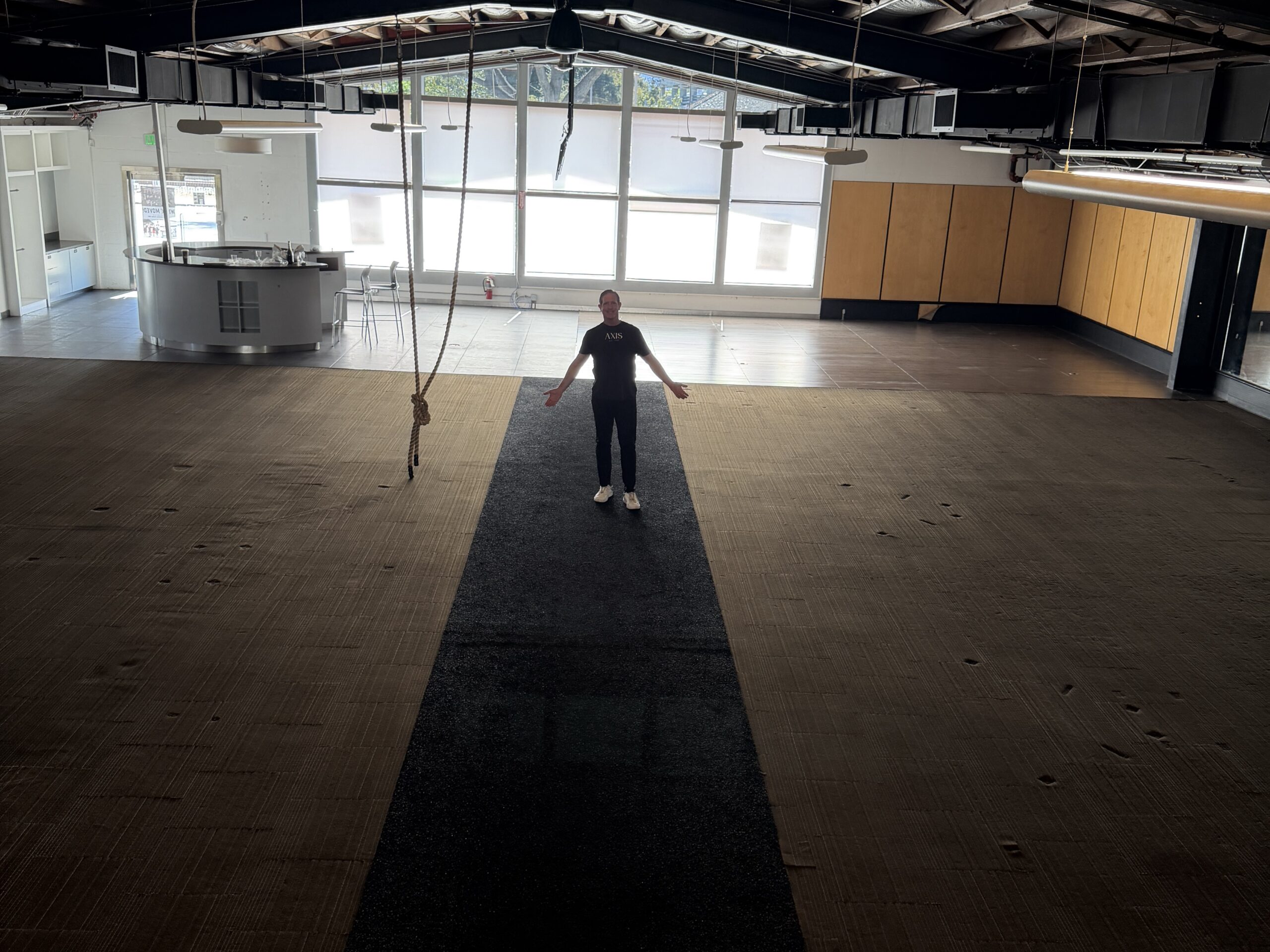
By early 2020, we felt prepared for almost anything. We understood business winters, or at least we thought we did. We were pretty sure that we would lose our lease in 2026 so we were actively looking for a new space for AXIS. We also started planning for how we would expand our business into restoration and recovery. The thought of shutting the doors of AXIS because we could not find a new home was heavy on our minds. |







Leave A Comment